Author: Nicole Rudder-People Play Dance Theatre

  • Level Up Your Home Dance Space

    Dancing at home is a great way to supplement your in-person practice, and even learn a few new steps. The problem is, that it’s not always easy to find the right space to dance at home.

    This post will take you through the ideal, set up for an at-home dance studio, and share some alternatives for what you can do when the ideal isn’t available.

    Full Range of Motion

    First and foremost, you need space to move in! This is unfortunately one of the hardest things to come by depending on your living arrangement and practicing in too confined of a space can have a negative impact on your range of motion. A garage space or lawn can be great alternatives if you don’t have enough room indoors.

    A Good Foundation

    Floors are one of the most important things for dancers to pay mind to. Unfortunately, most homes were not built with dance training in mind, and I would especially recommend against practicing on tile or concrete for prolonged periods. Fortunately, there are many options on the internet for portable dance flooring that can be used in small spaces. I have had much success in the past with an area rug in a garage space.

    Meet me at the Barre

    One of the greatest things you will ever bring into your home dance space is a solid barre. There are many portable options available online, or you can also make your own. I made my own glow-in-the-dark galaxy barre using a design I found online. Both options can be pricey, but there are also many household hacks that work too. I won’t be the first to tell you about how great the kitchen counter is as a barre.

    Look at Yourself

    Mirrors are essential for checking your alignment and body positions while dancing. Ideally, your mirror will be full length, but you may also find that multiple smaller mirrors at different angles work better for your space. I have also used my phone camera as a last resort when I’ve lived in apartments with no mirrors.

    Feel the Beat

    Every dancer has their own preference on how to set up their music and media. My biggest recommendation is that whatever you use, make sure you’ve got a designated raised-up space that keeps your devices off the dance floor. I have a tiered shelf that I like to use because I can keep my sound statin on top, and organize some extra accessories so I have more floor space to use.

    Check out this video to learn more!
  • Tips for Filming your Dance Practice

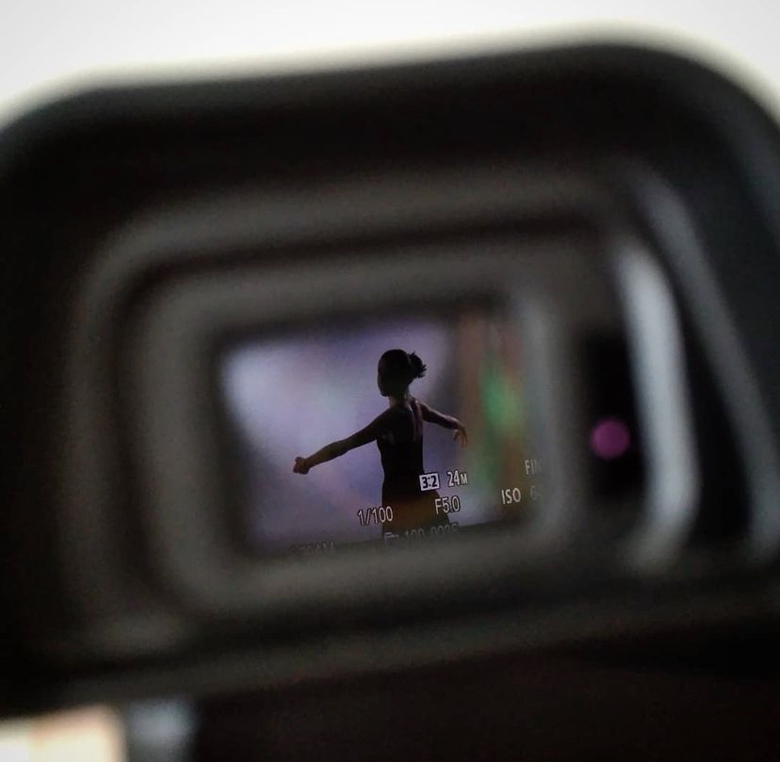
    Filming your dance practice is a great way to look back and reflect on what’s going well and what you could work on. However, there’s a big difference between getting the right shot for social media and valuable practice footage. This post shares a few tips that you can incorporate into filming your practice to have a more useful tool for reflection.

    Tip 1- Find Assistance

    If you can hire a personal videographer, then by all means go for it, but for the rest of us, simply having something else to hold the phone and film is enough. Whether it’s a tripod or a designated phone stand, a portable and adjustable holder will allow you more control over the positioning of your camera. Yes, you can use a pop socket or lean up against something else in a quick fix, but you won’t have as much control over the direction and angle of your shot. The result will be based on those constraints, rather than your practice intention. There are also cool gadgets that will track your movement and film as you dance.

    Tip 2- Find your Filming Focus

    Using an adjustable tripod or mounting system of sorts will allow you to shift the view of your recording. When it comes to filming your dance practice, location matters. If you are filming so you can review choreography, for example, you’ll want to pull back so you can see the entire body and shape of the movements as a whole. If you are working on foot technique, bring the tripod down to the ground level.

    Tip 3- Make Big Mistakes

    Whether you’re filming your practice or not, it’s always a good habit to go full out consistently. Depending on your practice space, you may need to make adjustments and modifications to accommodate, but making big mistakes will allow you to see better what needs work, while a mark leaves you wondering.

    Those are a few of our tips for filming dance practice sessions, would you add any to the list?

  • 7 Tips for New Choreographers

    Choreography is a captivating art form that allows you to express yourself through movement, tell stories, and create visually stunning performances. If you’re a new choreographer looking to make your mark in the dance world, here are seven essential tips to help you succeed:

    1-Study Different Styles

    To become a versatile choreographer, immerse yourself in various dance styles. Learn the basics of ballet, contemporary, hip-hop, jazz, and other genres. This diverse knowledge will enable you to blend styles creatively and stand out in the industry.

    2-Seek Inspiration Everywhere

    Inspiration can strike at any moment. Be open to new experiences, cultures, and art forms. Watch dance performances, attend art exhibitions, or travel to unfamiliar places. These experiences can provide fresh ideas and perspectives for your choreography.

    3-Collaborate with Diverse Artists

    Collaboration is key to choreographic success. Work with dancers from different backgrounds and skill levels, as well as musicians, costume designers, and lighting technicians. Diverse input can lead to unique and groundbreaking creations.

    4-Choreograph to Music

    Choose music that resonates with your vision. Listen to the lyrics, melody, and rhythm, and allow them to influence your choreography. A strong connection between music and movement can enhance the emotional impact of your piece.

    5-Plan and Organize

    Choreographing a dance piece requires careful planning and organization. Create a clear vision for your piece, outline your ideas, and develop a timeline. Efficient organization ensures that you stay on track and meet deadlines.

    6-Embrace Failure and Adapt

    Not every idea will work perfectly. Be open to experimentation and willing to revise your choreography if necessary. Learning from your mistakes and adapting your work will help you grow as a choreographer.

    7-Seek Feedback and Learn Continuously

    Share your work in progress with trusted peers, mentors, and dancers. Constructive feedback can help you refine your choreography and improve your skills. Attend workshops, take classes, and stay up-to-date with dance trends to continue learning and evolving as a choreographer.

    In the world of choreography, creativity knows no bounds. Remember that every great choreographer started with a passion for movement and a willingness to explore. With dedication, perseverance, and a commitment to self-improvement, you can craft compelling dance pieces that leave a lasting impact on audiences and the dance community.

    Ready to get started with your next choreography project? You can find useful resources like the Choreography Planning and Design Worksheet in the People Play Dance Theatre shop.

  • How to Set Smarter Goals for your Dance Practice

    When it comes to creating a solid plan to reach your dance dreams, the more specific you can get, the more likely you are to be successful. A concept I learned from my studies in social media strategy is to set S.M.A.R.T. goals. While your dance goals are likely much different than the digital marketing goals of a business, the concept can still be applied to help improve achievement and success.

    What is a S.M.A.R.T. goal?

    A S.M.A.R.T. goal clarifies what you expect and the measures used to determine if the goal has been reached.

    Specific: Linked to a job description, departmental goals/mission, and/or overall social media goals and strategic plans.

    Measurable: The success toward meeting the goal can be measured in some way.

    Attainable: Goals are realistic and can be achieved in a specific amount of time and are reasonable.

    Relevant: The goals are aligned with current tasks and projects and focus in one defined area; including the expected result.

    Time-Oriented: Goals have a clearly defined time frame including a target or deadline date.

    Here are a couple of examples to show you how to create smarter goals:

    Not a S.M.A.R.T. goal:

    Join a dance company.

    This goal does not identify any measurement or time frame nor why the goal is important.

    S.M.A.R.T. goal:

    This weekend, I will list 5 to 10 local dance companies I could be a good fit for and note their audition criteria. The basic search criteria for each company will be that they perform throughout the year and offer pay so the opportunity is sustainable for my career.

    Not a S.M.A.R.T. goal:

    Get better leg extension.

    What specifics might be missing from this goal?

    S.M.A.R.T. goal:

    Create a simple leg workout and stretch routine that I can complete 3–5 times each week. The routine will consist of strength training exercises as well as stretching so that I have a good foundation to support my leg extensions in dance class.

    With SMART goals, you are more likely to know if your current approach is working or not. Think about how you might apply this process to your dance classes and practice sessions. What S.M.A.R.T. goals will you be setting?

    To help you get started on setting S.M.A.R.T. goals for your dance journey, we have created a free S.M.A.R.T. Goals Worksheet. It is available to download in the People Play Dance Theatre shop.

  • What is Digital Dance?

    Digital dance refers to any practice that brings technology and dance together.

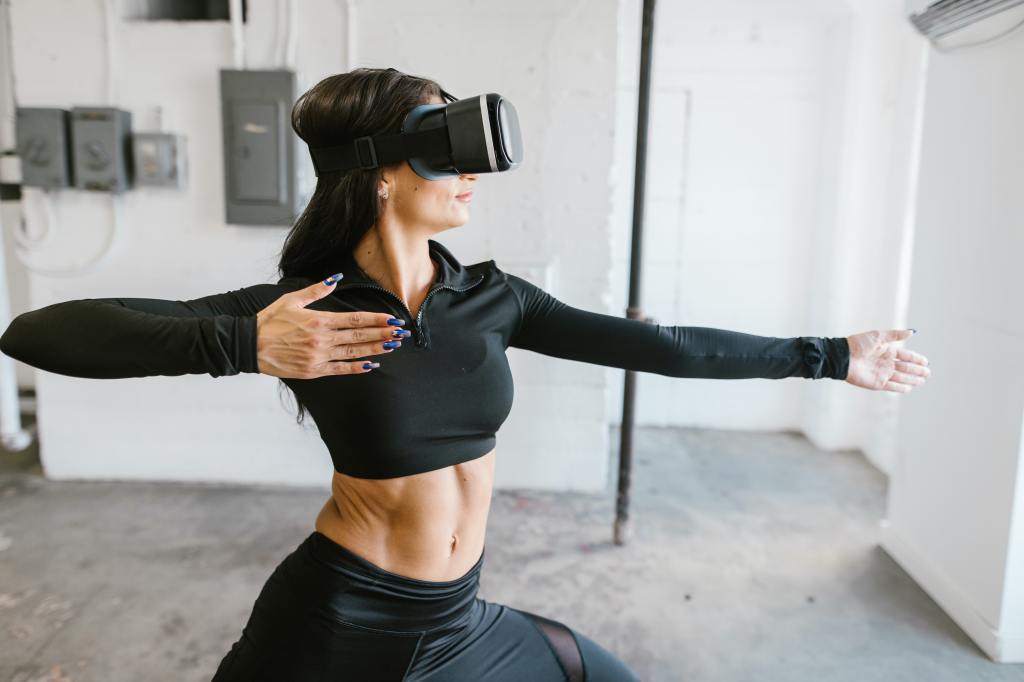
    Digital Dance often blends live and digital platforms to create mixed-media experiences. Digital Dance integrates technologies such as videography, film editing, digital photography, music editing, live stream video software, Augmented Reality, Virtual Reality, blogs, and social media platforms. Digital dancers also continue to use traditional theatrical technology, such as projection, sound, and lighting.