Catch our upcoming virtual variety show on November 7 at 4 PM PST!
Playspaces is a virtual variety show produced by People Play Dance Theatre, celebrating movement in unconventional spaces. Each featured work was created or filmed outside traditional stage spaces. The artists of Playspaces explore how physical expression transforms ordinary environments into sites of imagination. Each piece reveals the human body’s ability to play, adapt, and create meaning wherever it moves.
People Play Dance Theatre invites movers, dancers, and performance makers to submit short works for Playspaces, a virtual variety show.
We’re seeking original movement-based works created and filmed in non-traditional spaces. This could be a hotel room, a stairwell, a rooftop, a garden, a parking lot. For this production, the location is as much a part of the piece as the performer.
After the premiere: The full program will remain available for replay.Submission Guidelines
Who Can Apply:
Dancers, movers, physical theater artists, interdisciplinary performers. Individual and group performances will be considered. Please submit a separate form for each submission.
What We’re Looking For:
Original works filmed in non-traditional spaces Strong use of movement and location Clarity of concept and creative camera framing
Technical Specs:
Video format: MP4 or MOV, 1080p minimum
Landscape orientation
Sound: Original score, royalty-free, or live natural sound preferred.
It’s tempting to say “yes” to every opportunity that comes your way—after all, every gig seems like a step forward in your career, or another chance for fun. But here’s the hard truth: taking on too much can backfire, both professionally and personally.
In my experience, dancers who overcommit can end up in situations where they either have to flake out or underdeliver, leaving behind frustrated choreographers, directors, or collaborators. That kind of reputation can ruin future opportunities faster than you think.
Before you commit to a project, take a step back and ask yourself:
Do I truly have the time in my schedule to give this my best effort?
Do I have the skills or stamina to meet the expectations of this role?
Will this opportunity align with my long-term goals as a dancer
Am I truly willing to show up for this opportunity?
Setting boundaries isn’t about saying no to everything—it’s about being intentional with your yes.
Learning to set boundaries will allow you to show up fully prepared, professional, and committed with consideration and respect for the rest of the production team
Don’t be the dancer who agrees to everything and ends up quitting halfway through. Be the dancer who knows their limits, sets boundaries, and builds a reliable, professional reputation you can be proud of.
Reflection is a powerful tool for growth, especially in dance. Reflecting on your experiences can deepen your understanding of the skills, techniques, and creativity explored in the dance studio. It’s an opportunity to celebrate your progress, acknowledge challenges, and consider how to use what you’ve learned moving forward.
The end of the year (or semester or term) is the perfect time to pause and reflect on your dance journey. What did you learn? What inspired you? What surprised you? These reflections can also help your dance instructors design future classes tailored to their students’ needs and interests.
Every human is enough of a dancer just as they are. However, if you want a career as a professional dancer, it requires a lot of training and practice. Developing consistent good habits is vital to building a solid foundation of physical and mental support for yourself as you grow.
But what are good habits for dancers?
Some habits may help us thrive, while others end up holding us back. Your habits will ideally reflect your goals as a dancer. Take some time to reflect on your current dance goals and how you plan to reach goals.
For example, if your goal is to improve flexibility, your goals include stretching and conditioning for a specific amount of time every week. If you want to be more mindful in your dancing, you might add goals for how often to journal about your experiences.
Once you know your goals, you’ll know which habits can help you get there. Here is a list of dance-related habits to get you started while you brainstorm your own.
Journaling
Practice Technique
Stretching
Conditioning
Drink Water
Eat Healthily
Did we miss anything? Which habits will you add to your list?
Improvisation in dance is usually referring to spontaneous or semi-structured movements. Rather than learning choreography as a specific sequence of known steps to match key points in the music, the moves are completely random or prompted by a simple word or phrase.
With improvisation in dance, the goal is not so much to be interesting but to be interested. It is more about presence than performance. The number of steps a dancer knows has no relation to their ability to create movement and dance on the spot when it comes down to improvisation skills. Dancers can learn new steps, but improvisation is an experience in presence.
In theory, improvisation is simple. Make up the movement as you go along. In practice, however, many dancers find it hard to make things up on the spot and stay present at the same time.
A great way to incorporate more presence into your dance practice is to play improvisation prompt games. If you are playing with a group of dancers, you can take the responsibility to call out a movement dynamic, color, or phrase, and dancers use that to inspire their movement.
If you are working alone, you can still provide yourself with a sense of spontaneity, but it might take more planning. For example, you can create a list of prompts to pull from, or even write out prompts on slips of paper and pull them out of a hat.
One benefit of using prompts in improvisation is that it removes the mental work of recollection and creates more space for presence.
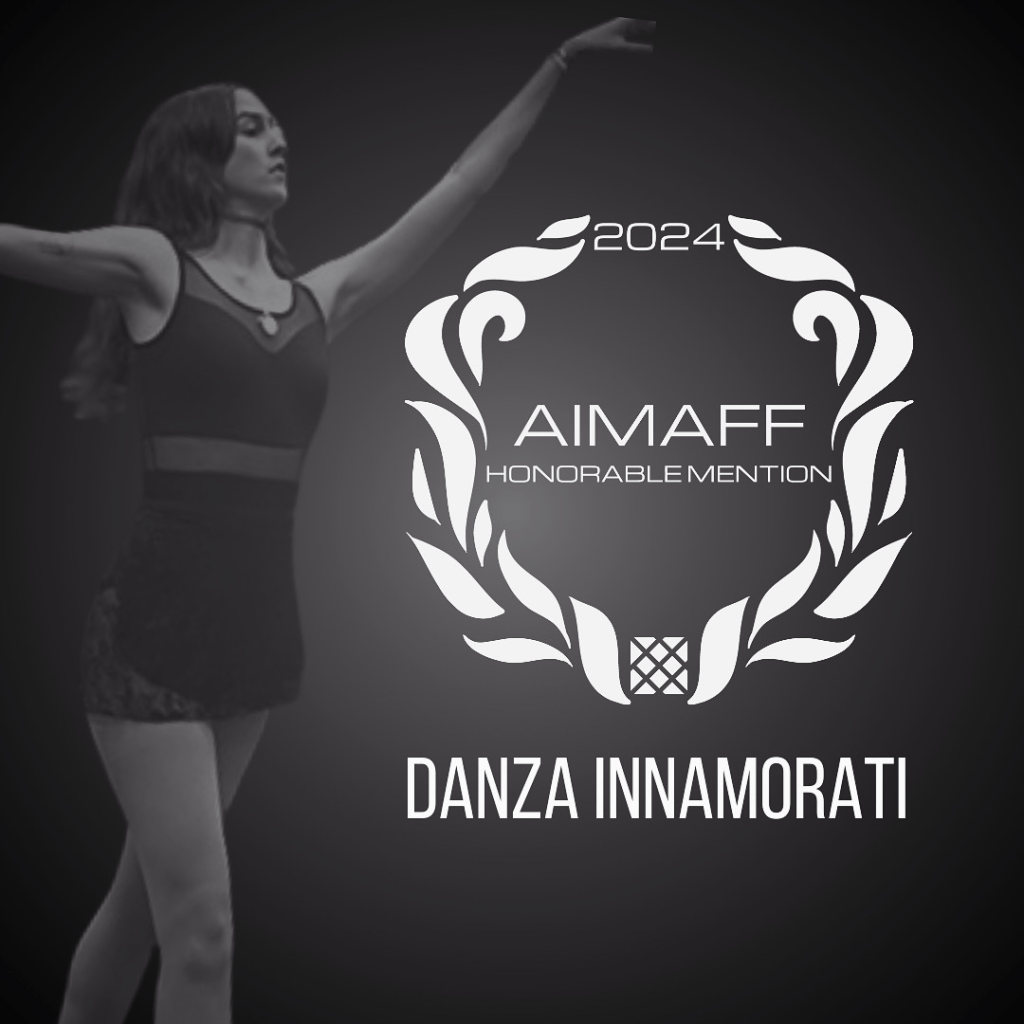
We are thrilled to announce that our short dance film, Danza Innamorati, has received an Honorable Mention at the Athens International Monthly Art Film Festival!
This recognition is a celebration of the incredible talent and dedication of our team, and it reinforces our commitment to creating meaningful opportunities for artists to shine.
Thank you to all who have supported this project—we couldn’t have done it without you! Stay tuned for more updates and opportunities!
Staying consistent with at-home dance practice can be a challenge. Not only is there no teacher present to guide and prompt your steps, but there is also nobody checking to see what is right or wrong with those steps.
While practicing dance at home can be a challenge, it is not impossible, and I have a few tips that can help make it easier to develop your routine. For the most part, I will structure my at-home practice as if it were an in-person class, but I can tailor the exercises to meet my needs for that day.
You can join me in using this repeatable recipe for every dance practice session:
Warmup
Technique practice
Choreography or Improv
Stretch
Log my notes
One reason I like having a standard list to turn to is that I have a reference of options to choose from. There may be days when I only have 20 minutes to practice, or may only be practicing for the sake of running through choreography. There have been many times when I just jump in to practice and do the thing, but I’ve learned that on the fly means I would be leaving off some of the important parts.
Warmup
Warming up is one of the most important parts of your dance practice. With a proper warmup for dance practice, you will be less likely to experience injury and soreness. An ideal warmup includes moving all parts of the body, and light stretching with a focus on preparing for the technique and choreography for the day.
Technique practice
Practicing techniques may look different depending on which style of dance you are working on. For ballet, for example, technique practice may look like a full barre or a series of targeted barre drills. If you are a ballroom dancer, you may take to the bar or wall to practice the feeling of resistance you may have with a partner. When it comes to practicing dance techniques on your own without a dance teacher, it can help to focus on repeating and solidifying what you have already learned, rather than trying to get ahead.
Choosing which technique to focus on will relate to either what you’re working on in class, personal goals you say, or even both.
Choreography or Improv
You may not always have a routine or choreography to practice, depending on your dance goals. Choreography run-throughs of whatever I may be working on at the time, and if not, I will throw some improv into the mix. The reason for this is that mentally, practicing technique and drills translates to dance moves.
Stretch
I already mentioned warming up as a necessary part of a dance practice session. Stretching is also important. While I do include stretching as a part of the warmup, I also like to add additional stretching after I have been moving. This also makes for a great cool-down after practice or class.
Log your dance notes
At the end of the practice session, I log my notes into my dance diary. This allows me to reflect on any challenges, or celebrate successes, and I can also see how consistent I am in showing up.
While each dance practice session will differ in the specific tasks and details, keeping a broad outline of what to include in your practice can help with the planning.
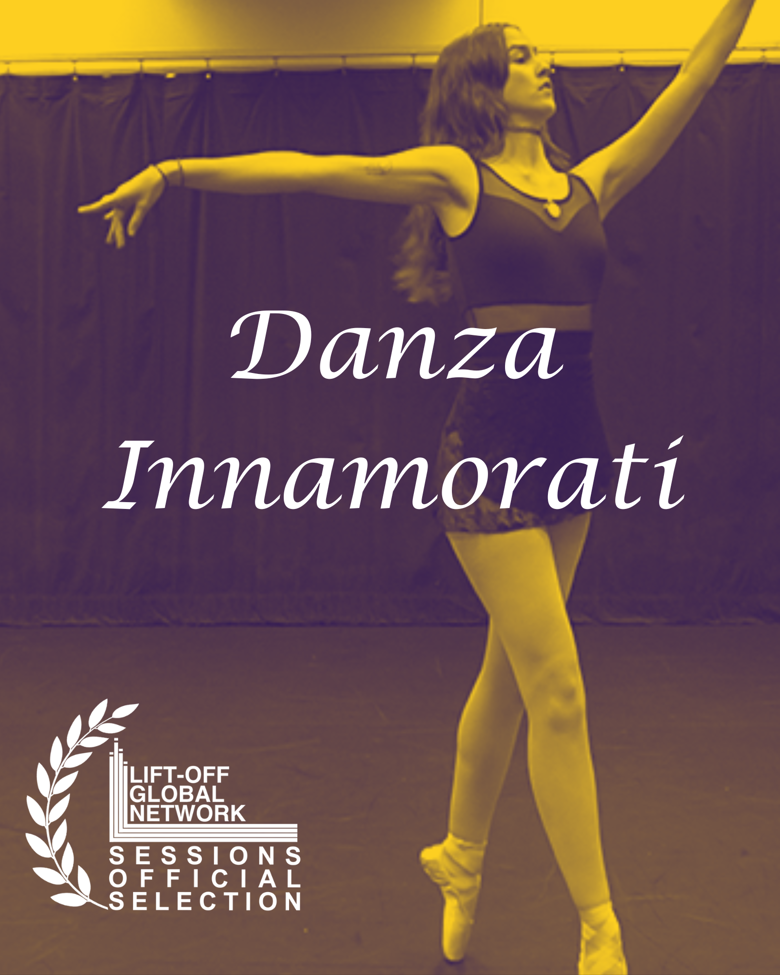
We are excited to announce that our short dance film, Danza Innamorati has been selected to be screened in the Lift-off Sessions July 2024, a monthly online showcase for indie shorts and features presented by the Lift-off Global Network.
More info on how to watch and support coming soon!





 People Play Dance Theatre