Tag: dancers

  • Reflecting on Your Dance Practice

    Dancing is just as much of a mental sport as it is a physical one. It takes courage and confidence for anyone to attempt a step first, and self-doubt is a common enemy for many. This doubt usually comes from my feeling that my dancing might not fit in with professional expectations. One practice I use to combat this perpetual self-doubt is reflexivity.

    In social science, reflexivity refers to a process of questioning and reflecting on cultural norms. While there may be cultural norms in the dance world, we are all individual dancers. The benefit of incorporating regular reflection into your dance practice is that you can notice and understand which thoughts or stories may be holding you back from dancing confidently. When I am consistent with my reflecting practice, I feel much more accepting of myself as a unique dancer and more respectful of the history and tradition we are all a part of, even in our uniqueness.

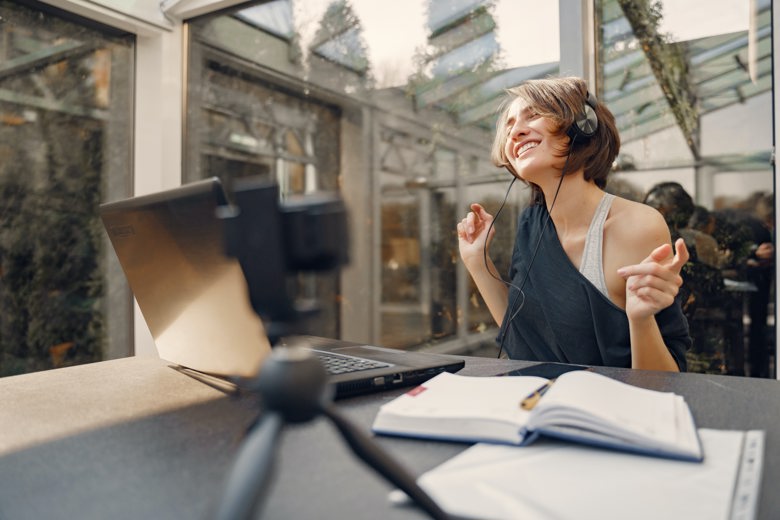
    Planning and journaling are two of the simplest ways to practice reflexivity. You’ll just need a place to put your thoughts. Your reflection space may be a blank notebook, digital notepad, post-its, or whatever media you desire for your archive. There are also many customized options made by dancers like myself for tracking and reflecting on your dance practice. You may need to try a few different journaling styles before you find what works for you, which is just another chance to reflect! I use a combination of written logs and journaling in my dance practice.

    Every dancer has their own unique body and soul, and a reflexive approach to dancing allows you to be fluid in developing your dance skills to your personal needs. As an anthropologist, I think it is essential for the people experiencing cultural moments to reflect on them. Your journals and dance logs will become part of the collective memory of dance. There are so many ways we can preserve dance for the future, and leaving an archive of personal reflections is one of them.

    Looking for more? Check out our Year of Dance Journal Prompts. This dance reflection resource includes 12 prompts to guide dancers through a year of dance reflection.
  • 3 Ways to Add More Mindfulness into Your Dance Journey

    You have probably heard it said that dance is a great way to stay in shape and feel good, but when we are aiming for professional-level training, some of those feel-good experiences may turn sour.

    These mindful practices are nothing new for dancers. In fact, we use them regularly during classes, but to bring attention and to notice allows for a more functional tool. 

    I wrote this post to share a few ways you can tap into mindful practices without needing to add any extra training to your schedule. 

    Breath

    We all need to breathe in order to stay alive. But how often do you think about your breath? How often do you notice the power? 

    Try this:

    When you find yourself becoming fatigued during an exercise class, try to focus on slowing your exhale while channeling the energy into where it feels rough. 

    Tapping Check-in 

    How often have you been physically in a dance class but mentally someplace else? Or how about this one, you are present in the class and thinking about the exercises, but also criticizing your own dancing while you are practicing. 

    Try this:

    When you notice yourself in a place of overthinking, give yourself a small double tap someplace on your body. You can link this tap with a message to come back. 

    Eyes Closed

    Have you ever found that you are able to perform just fine in a dance class, but once you get home, you can’t remember any of the combinations or exercises? It’s likely you don’t actually know what you’re doing in the class, and you are watching others and relying on their presence. 

     The good news is that noticing what you don’t know is actually a mindfulness practice. 

    And even better news is you don’t have to wait until you go home to realize that you have forgotten a portion of the combination. You can find those gaps during class and take action to fill in the gaps before you get home so you have something more solid to anchor your practice. 

    Try this: 

    When learning a new combination, take a moment to close your eyes and visualize the movement in your mind. It’s likely you won’t get through the entire combination on the first try, but you will find the blank spots. 

    These are a few ways to add more mindfulness to your dance practice. Try them out during your next dance class, and remember to have fun with them! 

  • Level Up Your Home Dance Space

    Dancing at home is a great way to supplement your in-person practice, and even learn a few new steps. The problem is, that it’s not always easy to find the right space to dance at home.

    This post will take you through the ideal, set up for an at-home dance studio, and share some alternatives for what you can do when the ideal isn’t available.

    Full Range of Motion

    First and foremost, you need space to move in! This is unfortunately one of the hardest things to come by depending on your living arrangement and practicing in too confined of a space can have a negative impact on your range of motion. A garage space or lawn can be great alternatives if you don’t have enough room indoors.

    A Good Foundation

    Floors are one of the most important things for dancers to pay mind to. Unfortunately, most homes were not built with dance training in mind, and I would especially recommend against practicing on tile or concrete for prolonged periods. Fortunately, there are many options on the internet for portable dance flooring that can be used in small spaces. I have had much success in the past with an area rug in a garage space.

    Meet me at the Barre

    One of the greatest things you will ever bring into your home dance space is a solid barre. There are many portable options available online, or you can also make your own. I made my own glow-in-the-dark galaxy barre using a design I found online. Both options can be pricey, but there are also many household hacks that work too. I won’t be the first to tell you about how great the kitchen counter is as a barre.

    Look at Yourself

    Mirrors are essential for checking your alignment and body positions while dancing. Ideally, your mirror will be full length, but you may also find that multiple smaller mirrors at different angles work better for your space. I have also used my phone camera as a last resort when I’ve lived in apartments with no mirrors.

    Feel the Beat

    Every dancer has their own preference on how to set up their music and media. My biggest recommendation is that whatever you use, make sure you’ve got a designated raised-up space that keeps your devices off the dance floor. I have a tiered shelf that I like to use because I can keep my sound statin on top, and organize some extra accessories so I have more floor space to use.

    Check out this video to learn more!

  • Tips for Filming your Dance Practice

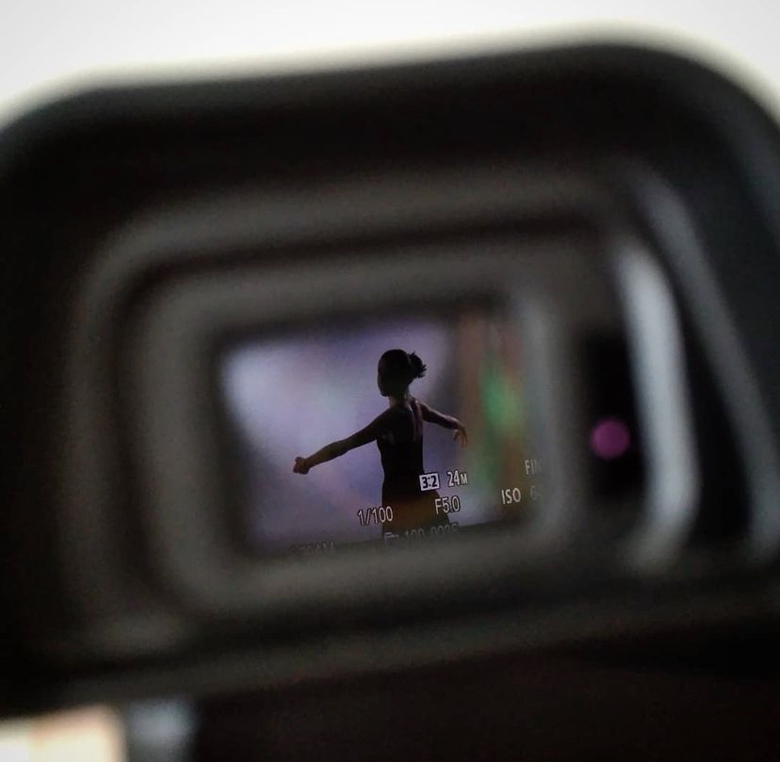
    Filming your dance practice is a great way to look back and reflect on what’s going well and what you could work on. However, there’s a big difference between getting the right shot for social media and valuable practice footage. This post shares a few tips that you can incorporate into filming your practice to have a more useful tool for reflection.

    Tip 1- Find Assistance

    If you can hire a personal videographer, then by all means go for it, but for the rest of us, simply having something else to hold the phone and film is enough. Whether it’s a tripod or a designated phone stand, a portable and adjustable holder will allow you more control over the positioning of your camera. Yes, you can use a pop socket or lean up against something else in a quick fix, but you won’t have as much control over the direction and angle of your shot. The result will be based on those constraints, rather than your practice intention. There are also cool gadgets that will track your movement and film as you dance.

    Tip 2- Find your Filming Focus

    Using an adjustable tripod or mounting system of sorts will allow you to shift the view of your recording. When it comes to filming your dance practice, location matters. If you are filming so you can review choreography, for example, you’ll want to pull back so you can see the entire body and shape of the movements as a whole. If you are working on foot technique, bring the tripod down to the ground level.

    Tip 3- Make Big Mistakes

    Whether you’re filming your practice or not, it’s always a good habit to go full out consistently. Depending on your practice space, you may need to make adjustments and modifications to accommodate, but making big mistakes will allow you to see better what needs work, while a mark leaves you wondering.

    Those are a few of our tips for filming dance practice sessions, would you add any to the list?

  • 7 Tips for New Choreographers

    Choreography is a captivating art form that allows you to express yourself through movement, tell stories, and create visually stunning performances. If you’re a new choreographer looking to make your mark in the dance world, here are seven essential tips to help you succeed:

    1-Study Different Styles

    To become a versatile choreographer, immerse yourself in various dance styles. Learn the basics of ballet, contemporary, hip-hop, jazz, and other genres. This diverse knowledge will enable you to blend styles creatively and stand out in the industry.

    2-Seek Inspiration Everywhere

    Inspiration can strike at any moment. Be open to new experiences, cultures, and art forms. Watch dance performances, attend art exhibitions, or travel to unfamiliar places. These experiences can provide fresh ideas and perspectives for your choreography.

    3-Collaborate with Diverse Artists

    Collaboration is key to choreographic success. Work with dancers from different backgrounds and skill levels, as well as musicians, costume designers, and lighting technicians. Diverse input can lead to unique and groundbreaking creations.

    4-Choreograph to Music

    Choose music that resonates with your vision. Listen to the lyrics, melody, and rhythm, and allow them to influence your choreography. A strong connection between music and movement can enhance the emotional impact of your piece.

    5-Plan and Organize

    Choreographing a dance piece requires careful planning and organization. Create a clear vision for your piece, outline your ideas, and develop a timeline. Efficient organization ensures that you stay on track and meet deadlines.

    6-Embrace Failure and Adapt

    Not every idea will work perfectly. Be open to experimentation and willing to revise your choreography if necessary. Learning from your mistakes and adapting your work will help you grow as a choreographer.

    7-Seek Feedback and Learn Continuously

    Share your work in progress with trusted peers, mentors, and dancers. Constructive feedback can help you refine your choreography and improve your skills. Attend workshops, take classes, and stay up-to-date with dance trends to continue learning and evolving as a choreographer.

    In the world of choreography, creativity knows no bounds. Remember that every great choreographer started with a passion for movement and a willingness to explore. With dedication, perseverance, and a commitment to self-improvement, you can craft compelling dance pieces that leave a lasting impact on audiences and the dance community.

    Ready to get started with your next choreography project? You can find useful resources like the Choreography Planning and Design Worksheet in the People Play Dance Theatre shop.